

Key takeaways
- Find the set code and number first. They point to one exact card.
- Check the condition and the language. Both change the number.
- Read the price as an estimate: a ≈ sign, a source and a date.
- Compare with a second source before you decide anything.
"How much is it worth?" is the first question almost every collector asks. The honest answer is "about this much, and it depends". This guide shows you how to get that "about" in six steps, and how to use it well.
Find your card
You need to know exactly which card you hold. Two cards with the same name can be from different sets, with very different prices.
Read the set code and number
Look near the bottom edge of the card. You will find a number such as 025/165, and on many recent cards a short set code in letters next to it. Together they point to one exact card. Our guide "Set codes and numbers" shows where to look.
Search for it
In DeckMaster, type the set code and number, or type the name. Looking a card up by photo is coming soon. Check that the picture and details on screen match the card in your hand before you go on.
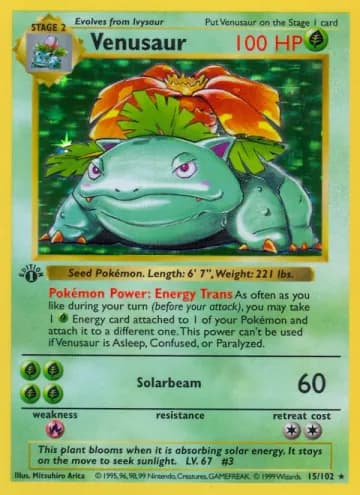
- Number, near the bottom edge
Check condition
Set the condition
Be honest and pick the lower level when you are unsure. A worn card is worth less than a Near Mint one. Our guide "Card conditions" shows how to check in 30 seconds. DeckMaster starts from the Near Mint price and lowers the value for worn cards, and it marks that value as an estimate.
Check language and finish
Pick the right language and finish
The same card can come in different languages and finishes, such as regular or foil. Each version has its own price. Choose the one that matches your card, so you read the right number.
Read the price
Read the approximate price, its source and its date
DeckMaster shows an approximate market price with a small ≈ in front, plus the source and the day it was updated. It is based on public card-market data, for a Near Mint copy. Prices are shown in US dollars and, for Brazilian reais, converted from those dollars with the daily Banco Central do Brasil rate (PTAX). Reais are an approximate conversion, not prices from the Brazilian market, which can be quite different. If a card has no price yet, we say "no price yet" instead of guessing.
Compare with a second source
Never rely on one number. Open the same card on another price site, for example Liga Pokémon, and look at the two side by side. If they are close, you have a good idea. If they are far apart, find out why before you decide.
Why prices differ
You will often see two different prices for what looks like the same card. That is normal. Common reasons:
- Condition. Worn cards are worth less than Near Mint ones.
- Language and finish. Each version of a card has its own market.
- Date. Prices move up and down, and a price is only true for the day it was taken.
- Source. Each site looks at different sales and listings.
- Currency rate. The reais price changes when the exchange rate changes, even if the card did not.
- Fees and shipping. What a seller keeps is not what a buyer sees. Fees, shipping and taxes change the real result.
- Demand. A card many people want can sell for more or sell faster.
Prices are for learning and for fun. They are not advice about buying, selling or saving money. Read more in "How Pokémon Card Prices Work".